

In an achievement for global cancer research, Nigerian scientist Dr. Olorunsola Kolawole of Jackson State University, Mississippi, has pioneered a cutting-edge nanotechnology approach that promises to revolutionize early cancer detection. This breakthrough not only represents a major stride in biomedical innovation but also underscores the growing influence of African scientists in shaping and reforming the future of global health.
Claiming nearly 10 million lives each year, cancer remains one of the most leading causes of death worldwide, second only to heart disease. While treatment options continue to evolve, early detection remains the single most critical factor in improving survival rates and outcomes. Yet, traditional diagnostic tools often fall short, burdened by limitations in cost and accessibility.
Dr. Kolawole’s innovation directly addresses these limitations. Long before symptoms emerge, his team has developed a novel diagnostic platform that harnesses the full potential of nanotechnology to detect cancer biomarkers at ultra-low concentrations. The goal is to shift the timeline of diagnosis, making it faster, more accurate, and more effective.
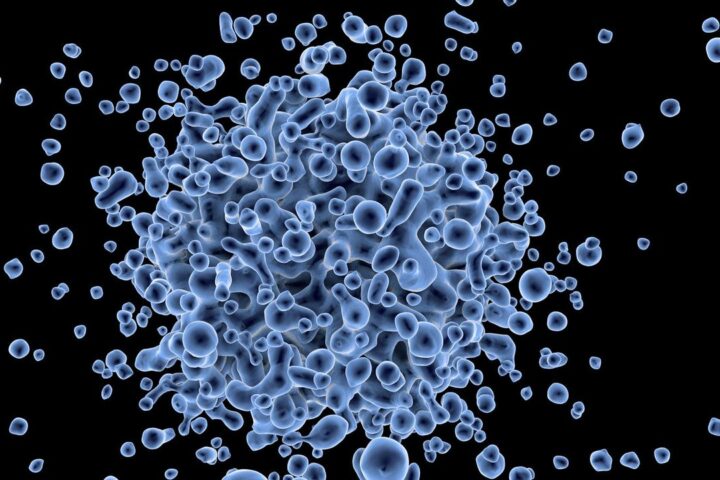
At the forefront of this medical breakthrough is a cutting-edge suite of nano-biosensors, microscopic devices designed to identify cancer-specific molecules in saliva, blood, or tissue samples. These sensors employ functionalized nanoparticles that bind to biomarkers such as circulating tumor DNA, proteins, and extracellular vesicles, operating precisely at the molecular level.
Unlike traditional diagnostic tools, which often require invasive procedures and significant sample volumes, Dr. Kolawole’s platform is minimally invasive and extraordinarily sensitive.
It can detect cancer-related changes in the body at attomolar concentrations equivalent to a single molecule among a billion, making early diagnosis remarkably precise.
Further evaluating this innovation is the integration of quantum dots, fluorescent nanomaterials that emit distinct wavelengths. This enables multiplexed detection, allowing multiple biomarkers to be identified simultaneously. Such precision is vital in understanding tumor heterogeneity and crafting personalized treatment strategies that are tailored to each patient’s needs.
Dr. Kolawole’s work is more than a scientific triumph; it’s a declaration of purpose. Grounded in the belief that innovation must be inclusive and accessible, he has designed diagnostic tools that are portable, cost-effective, and adaptable to low-resource settings. Through this approach, his breakthrough is helping bridge the gap in cancer care.
This vision deeply resonates with health equity advocates and institutions like Jackson State University, the HBCU is rooted in advancing social justice through research and education. Dr. Kolawole’s achievement exemplifies how culturally relevant science can drive systemic change, challenging the status quo and reshaping the future of healthcare access.
This technology could be deployed across clinical settings for routine screening, treatment monitoring, and early detection of recurrence. When it comes to cancers like prostate, colorectal, and breast, which disproportionately affect Black Americans, early diagnosis can mean the difference between life and death.
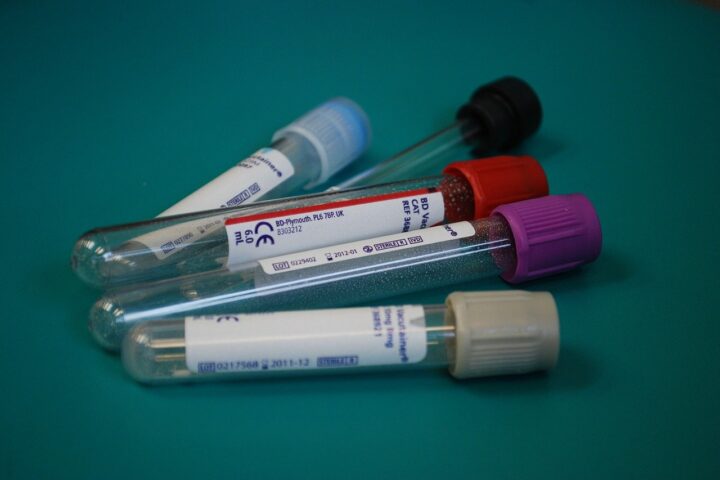
The adaptability of the platform makes it ideal for integration into mobile clinics, point-of-care diagnostics, and community health programs. Imagine a future where a simple blood test administered at a local health and wellness fair could detect early signs of cancer and prompt timely follow-up care.
Aspiring clinicians and scientists across the African diaspora view Dr. Kolawole’s achievement as a way of hope, not only for patients but for the future of inclusive innovation.
It challenges long-held narratives about who leads scientific discovery and where breakthroughs are born. It affirms that excellence knows no borders, and that HBCUs are grounds for transformative research and global impact. When young black students see someone who looks like them making global headlines for saving lives, it sends a powerful message: You belong here. Your ideas matter. Your brilliance can change the world.
As this technology moves toward clinical trials and regulatory approval, the next step is amplification. Scaling its impact will require institutional support, cross-sector collaboration, and bold public awareness. Healthcare providers, advocacy groups, and policymakers must rally behind innovations like this to ensure they reach the communities that need them most. Dr. Kolawole’s achievement reminds us that behind every scientific breakthrough is a story worth telling. And as we celebrate this milestone, we must also commit to building a world where innovations like these are not the exception, but the standard. Because investing in science is not just about detecting cancer earlier, it’s about healing communities, restoring hope, and rewriting the future.